How your skin changes as you age is a question I get asked all the time in the clinic, and it’s a great place to start our conversation. I’m Sevine Forster, and after nearly 20 years in the skin therapy business – from the high-end treatment rooms in London’s swanky Mayfair district to my lovely little studio here in Brisbane – I’ve seen my fair share of faces change over the years. And you know what I’ve learned? Skin ageing isn’t something to be scared of – it’s just a natural part of life, influenced by a mix of hormones, UV exposure, how you live your life, and how resilient your skin barrier is over time.
As you move through the different stages of life, your skin is a pretty good reflection of what’s going on in your world – your experiences, your environment, even your sleeping position. And yes, living in Brisbane doesn’t help – all that strong UV, high humidity and year-round sun exposure really does have an impact on how your skin behaves. The good news is that when you understand what’s going on, you can take care of your skin with so much more confidence and so much less confusion. Let’s go through this together, at your pace.
Contents
- 1 The First Big Shift: Your 20s Into 30s
- 2 The Hormone Years: Your 30s Into 40s
- 3 The Decade of Structural Change: Your 40s Into 50s
- 4 Mature Skin: Your 60s and Beyond
- 5 A Simple Guide: How Skin Changes By Decade
- 6 What Treatments Actually Help At Each Age
- 7 Lifestyle Factors You Can Influence
- 8 Ageing Isn’t The Enemy – Neglect Is
- 9 FAQ
The First Big Shift: Your 20s Into 30s
This is the chapter when many of my clients begin noticing changes in their skin that they can’t quite put their finger on. You might still feel young at heart, but your skin is sending you little messages that it’s shifting its priorities.
By your late 20s, collagen production begins to slow by roughly 1% per year (according to the Dermatology Journal, 2024). Combine that with all the UV radiation and sun exposure we get here in Brisbane, and it’s no wonder that fine lines start to show up a bit earlier than they used to. Even a small amount of sun exposure can cause subtle changes in your skin that don’t show up immediately, but they do add up over time.
Many of my clients find that a bit of microdermabrasion at The Facial Hub helps smooth their skin and keep it looking its best this decade, especially when it starts to look a bit dull.
What You Might Feel or See
- Makeup settles differently as cell turnover slows
- Dry skin caused by air-conditioning and weakened barrier function
- Dehydration showing up as faint creases around the eyes
- Uneven tone and early age spots from long-past sun damage
This is a great time to think about prevention, rather than just trying to fix things as they go – that means slapping on some zinc oxide sunscreen, chucking some antioxidants and hyaluronic acid into your routine for some day-to-day hydration.
The Hormone Years: Your 30s Into 40s
This is a time when your skin starts doing the odd thing – and nine times out of ten, it’s not just a fluke. Hormones play havoc – stress, pregnancy, fertility treatments and perimenopause all give your skin a run for its money.
Let’s take a step back and get one thing straight: hormonal changes aren’t just about how your skin looks, but also how it actually behaves. When I went through my own fertility journey, my skin was behaving in ways I’d never seen before – and this has completely shaped the way I work with clients now.
So, what’s happening underneath? Your oil glands and sebaceous glands start acting up, hyaluronan synthase slows down (which is your body’s own hyaluronic acid creator), and your skin barrier becomes super vulnerable to inflammation, UV light and all the environmental stuff that can trigger it. Cell turnover gets sluggish, and those lymph vessels move a bit slower – which can leave you with puffy skin.
What You Might See Now
- Pigmentation deepening, especially when UV exposure triggers melasma
- Fine lines are becoming etched from habitual facial movement
- Skin reacting to foods, especially an unhealthy diet high in sugar
- Dry skin or dullness, even when you’re drinking plenty of water
Retinol, cica cream and lactic acid are all really good at helping shore up your barrier – and a lot of my clients here love combining those with some regular cryotherapy at The Facial Hub in Brisbane to get on top of inflammation and circulation
The Decade of Structural Change: Your 40s Into 50s
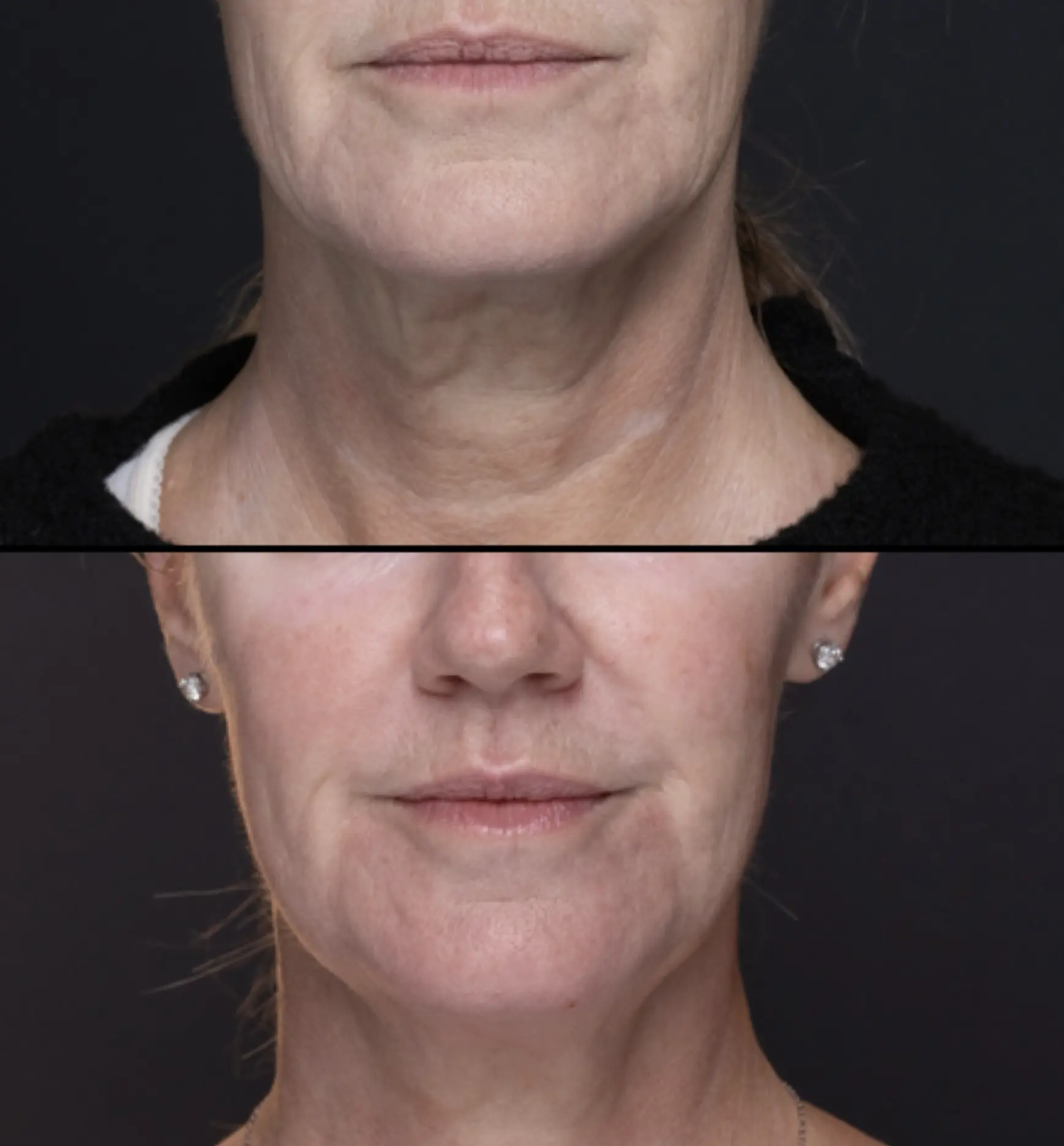
This is where collagen and elastin begin to take a visible hitdecline more sharply, and because oestrogen helps maintain collagen production, hydration, elasticity, and wound healing also take a hit. Oestrogen starts to decline more sharply, and because oestrogen helps maintain collagen production, hydration, elasticity, and wound healing also take a hit.
This is also a time when a lot of women say to me, “I woke up looking totally different overnight”. It’s not like that happens overnight, of course, but the changes do become more noticeable: softening of the jawline, shifting of facial muscles, creasing from repeated facial movements, and volume changes in the fat layer.
What’s Happening Biologically
- Collagen drops sharply with menopause transitions.
- Skin becomes thinner — up to 1% per year after 50 (British Skin Foundation, 2025)
- Sweat glands and nerve endings become less responsive
- UV exposure over decades shows up as actinic keratosis or venous lake in some clients
At this stage, people start to look at dermal fillers, botulinum toxin, laser treatments and resurfacing – not because they’re trying to be perfect, but because they’re trying to support structure where natural support has started to soften.
When clients want to pair professional help with gentle maintenance, The Facial Hub in Brisbane is usually the first place they turn to for skin recovery, hydration and ongoing strengthening.
It’s a good time to focus on hydration, barrier repair and anything that can help support collagen – it makes a huge difference, not to stop the clock but to keep you feeling comfortable, vibrant and full of glow.
Mature Skin: Your 60s and Beyond
Now we get to the most beautiful chapter – where your skin really tells the story of how you’ve lived. And let’s get this straight from the very start: mature skin is not “less” than any other skin; it just needs its own special kind of TLC.
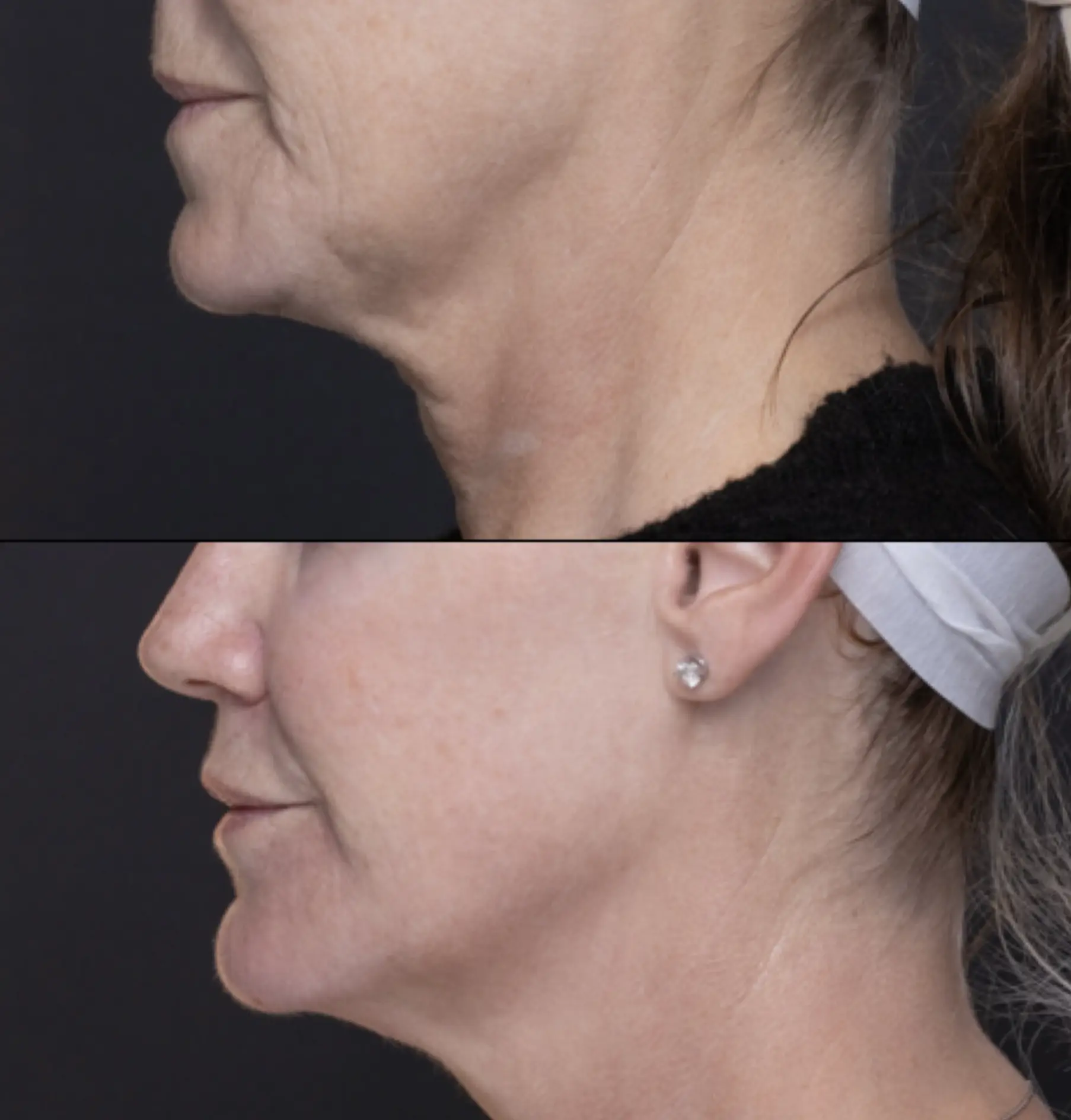
By the time you hit your sixties, your skin has slowed things right down a bit – but it’s still super receptive to the right kind of care. Your connective tissues start to weaken, your lymph vessels start to move a bit slower, and your fat layer gets a bit softer – leading to that subtle double chin some people get – all of which is completely normal.
Common Experiences
- Pronounced dryness due to slower oil gland activity
- Slower wound healing as cell turnover decreases
- Fragility around the eyes and thinning connective tissue
- More visible blood vessels from cumulative sun exposure
Mature skin really loves being treated to rich moisturisers, calming ingredients & treatments that calm things down rather than just piling on loads of stimulation.
A Simple Guide: How Skin Changes By Decade
Here’s a clear table to help you map what’s changing and why — including elements like UV damage, connective tissue changes, and oil gland shifts:
| Age Range | What’s Happening Biologically | What You Might Notice | Best Support |
|---|---|---|---|
| 20s–30s | Collagen slows; UV exposure accumulates | Fine lines, early age spots | Hyaluronic acid, zinc oxide sunscreens |
| 30s–40s | Hormonal shifts; slower turnover | Pigmentation, dryness | Retinol, centella asiatica, lactic acid |
| 40s–50s | Oestrogen decline; thinning fat layer | Laxity, deeper lines | Laser treatments, peptides |
| 60s+ | Reduced oil glands, slower lymph flow | Dryness, fragility | Rich hydration, barrier repair |
(Statistics updated with 2026 dermatology research.)
What Treatments Actually Help At Each Age
Let’s cut through the confusion – because not every trend is right for your face. Living in Brisbane, with its intense sunshine, requires some treatments to be timed precisely to avoid excessive UV exposure.
In Your 20s to 30s
Focus on stopping problems before they start.
- Have a seasonal facial to keep your skin hydrated.
- Get some antioxidants and hyaluronic acid on board to help keep the good stuff in and the bad stuff out.
- Give LED therapy a go – it’s pretty effective at keeping things running smoothly.
In Your 30s to 40s
Time to find a balance between giving your skin a wake-up call and keeping it feeling smooth and repaired.
- Try a gentle lactic acid peel to get things moving.
- Introduce some retinol cream to give your skin some TLC.
- If you’ve got pigmentation issues, now’s the time to get some treatment.
In Your 40s to 50s
This is all about caring for the underlying structure of your skin and giving it the resilience it needs to keep going strong.
- Consider laser resurfacing to help smooth wrinkles and fine lines.
- Try peptide therapy to help your skin remember how to do its job.
- If you want to reduce wrinkles, now’s the time to discuss dermal fillers or botulinum toxin.
In Your 60s+
Now the focus is all about giving your skin a big hug.
- Have a hydrating facial to restore moisture.
- Get a routine that’s all about strengthening your skin’s barrier – it’s like putting a lock on your front door.
- Try to reduce exfoliating; your skin will thank you.
I tell my clients all the time, ‘your skin doesn’t need to be punished to look good, it needs to be listened to – and right now, it’s telling you it needs a break.’
Lifestyle Factors You Can Influence
Now let’s talk about the things that affect how we age, but that we can actually do something about.
Sun Exposure
Living in Brisbane is like being in the sunbelt – our UV index is one of the highest in the world, and that’s what causes most of our premature skin ageing issues.
Stress
Chronic stress is a real killer for your skin – it can weaken your skin’s barrier and slow down healing like nothing else.
Sleep
How you sleep is going to affect your skin – all that face-planting you do in bed is going to leave its mark.
Nutrition
What you eat significantly impacts how your skin looks; a diet that’s high in unhealthy items and low in healthy ones will leave your skin looking tired and worn.
Hydration
This is the key to keeping your skin healthy – water is a must, and so is putting some good stuff on it to help hold that moisture in place.
Ageing Isn’t The Enemy – Neglect Is
We don’t all have to look 20 forever – we just have to look like the best version of ourselves. And that means listening to our skin and taking proper care of it.
Every time a client feels lost about what their skin needs, I think a nice relaxing facial with The Facial Hub Brisbane is just what the doctor ordered – it’s a great way to get back in touch with your skin’s rhythm.
FAQ
Can you really slow down skin ageing?
Yes, you can – it’s all about consistent sun protection, using skincare with hyaluronic acid or retinol, and avoiding the sun when it’s at its worst.
Why does my skin suddenly react to products in my 40s?
A lot of changes happen in your 40s that can make your skin go haywire – hormonal changes, a drop in oil production, and your skin’s barrier weakening all contribute to this. But the good news is that gentle routines can help calm it down.
Is retinol safe for ageing skin?
Yes, it is, when used the right way – it’s brilliant at boosting collagen and cell turnover, and can make a real difference to the appearance of your skin.
Why does pigmentation get worse with age?
It’s all down to the UV exposure you’ve had over the years – it triggers off the melanocytes, which are just cells that produce pigment, and before you know it, you’ve got age spots and uneven tone.
How often should I get a facial as I age?
Most of my clients find they benefit from a facial about once a month, especially if they’re focused on keeping their skin healthy and strong.