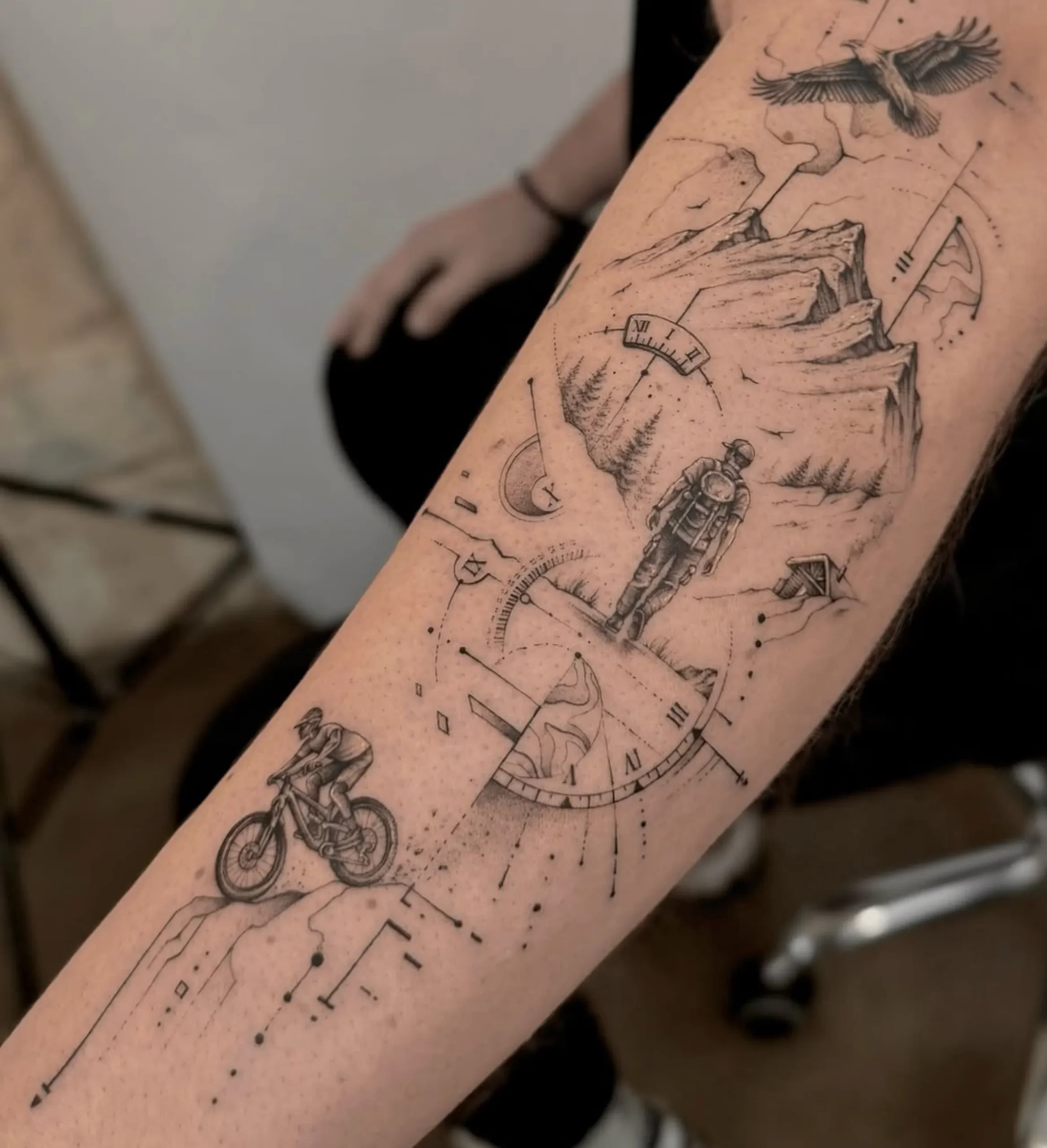
When clients ask me, “Where should you not get a fine line tattoo?” I know they really mean How can I protect my investment and make it look good for years to come. Fine line tattoos are delicate by nature – they’re done with a single needle or nano needle, creating fine line work and minimalist designs. As a tattoo artist at Cosmetic Tattoo Studio Melbourne Face Figurati, I’ve worked with hundreds of clients who have wanted a fine line tattoo and helped them understand not just the beauty but also the challenges of this style. If you’ve ever thought about doing a fine line tattoo course, you’ll quickly learn that placement is just as important as the design itself.
Contents
- 1 Tattoo Placement
- 2 Finger Tattoos: Stylish but Short-Lived
- 3 Feet and Ankles: Constant Friction
- 4 Inner Lip Tattoos: Trendy but Temporary
- 5 Elbows and Knees: Movement and Stretching
- 6 Neck and Behind the Ear: Sun and Sensitivity
- 7 Upper Ribs and Outer Thigh: Pain and Healing
- 8 Shoulder Blade and Sleeve Tattoo Zones
- 9 Why Healing Time and Lifestyle Matter
- 10 Comparison Table
- 11 Skin Science and Fine Line Tattoos
- 12 My Studio Stories: Real Clients, Real Lessons
- 13 Melbourne Lifestyle and Tattoo Longevity
- 14 Aftercare: The Make or Break Factor
- 15 Costs and Maintenance to Consider
- 16 Choosing Safer Alternatives
- 17 Final Thoughts and Call to Action
- 18 FAQ
Tattoo Placement
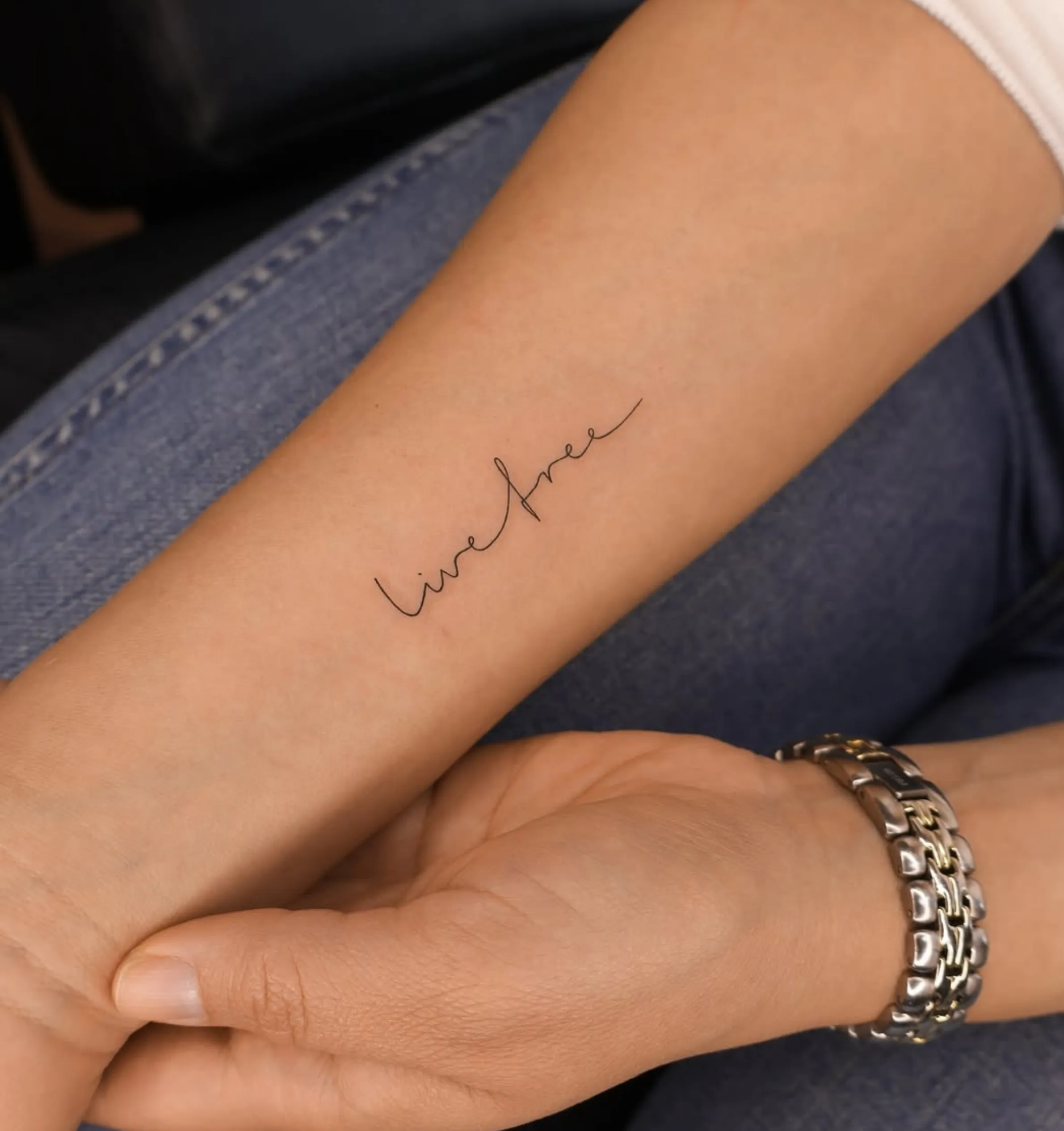
Not all parts of the body react the same to tattoo ink. Some areas have more movement, friction or sun exposure, while others hold ink well. Body art on your inner forearm or shoulder blade will look sharp for years, while finger tattoos or foot tattoos will fade quickly. Social media might make tiny tattoos or script designs on trendy areas look easy, but the healing process tells a different story. At Face Figurati, we always advise clients on safe tattoo placement to ensure fine line tattoos last as long as possible.
Finger Tattoos: Stylish but Short-Lived
Finger tattoos, one of the most popular forms of minimal tattoos, are constantly exposed to water, soap, sanitiser and UV rays. Skin trauma here is higher due to daily use, and the healing process is unpredictable. I had a client who wanted a geometric design on her finger — it looked great at first, but within months, the fine line tattooing blurred. Finger tattoos need touch-ups every year, making them high-maintenance body art.
Feet and Ankles: Constant Friction
Foot tattoos and ankle tattoos might sound like cute placements for small line tattoo work, but shoes and socks cause constant rubbing. Add Melbourne’s hot summers, where sandals expose skin to direct UV rays, and you’ve got sun working against your ink pigments. Traditional tattoos with bolder lines can sometimes withstand this better, but a fine-line tattoo will fade faster on the feet.
Inner Lip Tattoos: Trendy but Temporary
Inner lip tattoos get all the attention on social media, but they’re a classic case of style over substance. The inner lip sheds cells rapidly, so ink can’t stay locked in. Most disappear within a year. For clients who want long-term tattoo art, I usually steer them away from this placement.
Elbows and Knees: Movement and Stretching
Areas like elbows and knees are in constant motion, which means blurred healed work or even blowouts. Thicker skin, folds and high movement make fine line tattooing in these areas less predictable. Bold line work or traditional tattoos hold better here compared to single-needle tattoos.
Neck and Behind the Ear: Sun and Sensitivity
Tattoos behind the ear or on the neck look discreet and chic, but thin lines here often blur faster due to UV rays. Without strict aftercare instructions like daily SPF, the healed work loses clarity. I’ve had clients regret rushing into a behind-the-ear tattoo because the fading came much quicker than expected. A fine line tattoo in this placement needs extra care to survive long-term.
Upper Ribs and Outer Thigh: Pain and Healing
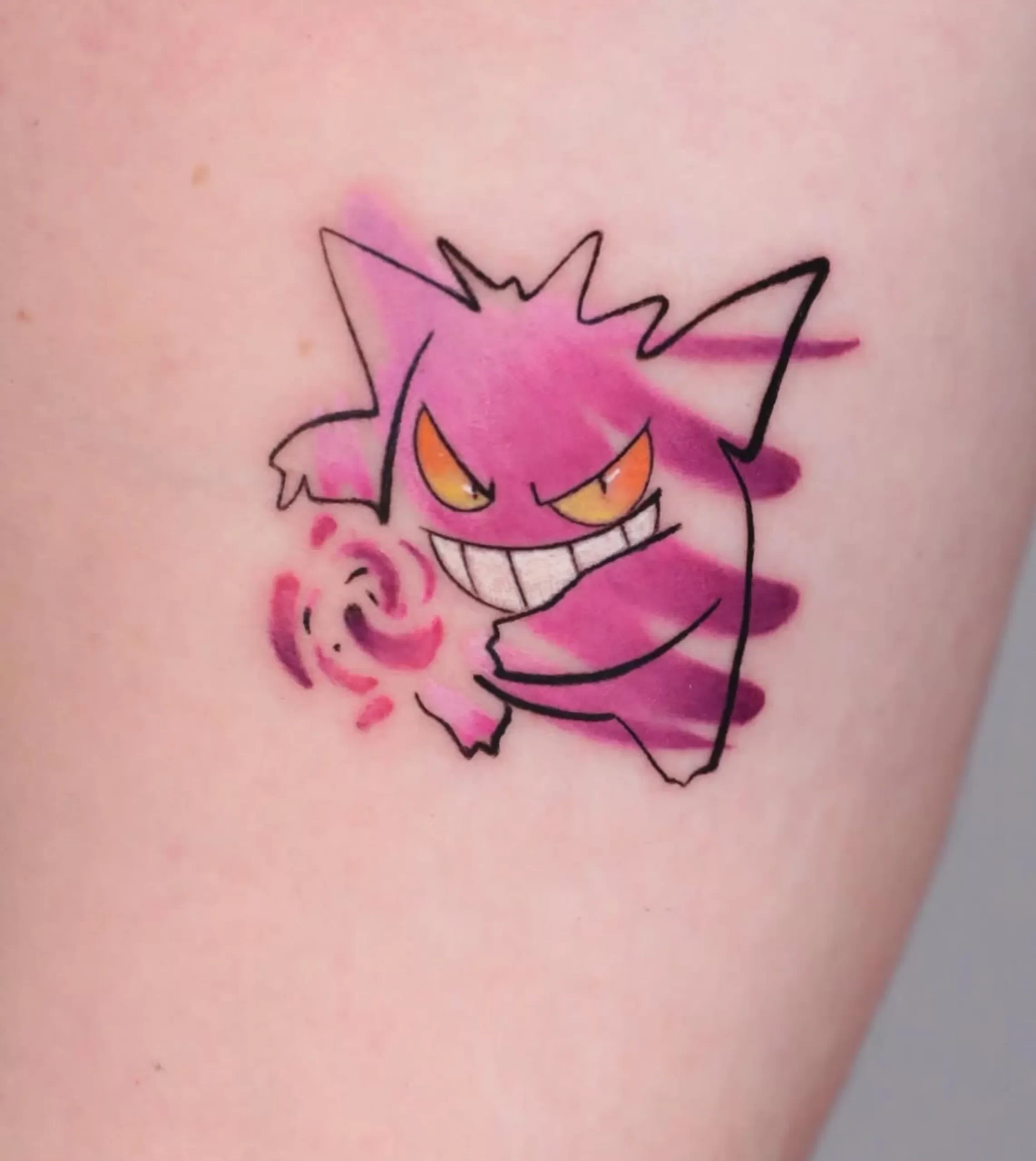
Small line tattoos on the ribs or outer thigh are popular among minimalist tattoo fans, but pain tolerance plays a big role here. The ribs can be painful during tattooing and prone to patchy healing if aftercare products aren’t used properly. Thigh tattoos can hold better, but are more affected by friction if you’re active in sports.
Shoulder Blade and Sleeve Tattoo Zones
The shoulder blade is often a safer bet for tattoo art. It’s less exposed to UV rays, has thicker skin and heals predictably. That’s why sleeve tattoo work often starts around the shoulder or upper arm. Tattoo machines, liner needles and single needles all perform more consistently in this area, making the healed work last longer.
Why Healing Time and Lifestyle Matter
Your daily routine can either protect or destroy tattoo pigment. A chef with constant hand washing will see fading finger tattoos faster than someone with a desk job. A cyclist may notice more fading on the outer thigh from friction. Even immune system health, skin type and skin cell turnover influence retention.
Comparison Table
| Body Area | Average Longevity (Fine Line) | Main Risk Factor |
| Fingers | 6–12 months | Constant use, water, friction |
| Feet/Ankles | 1–2 years | Shoes, UV rays, rubbing |
| Inner Lip | Less than 1 year | Moisture, rapid healing |
| Elbows/Knees | 2–3 years | Stretching, skin folds |
| Neck/Ear Area | 2–4 years | UV exposure, thin skin |
Skin Science and Fine Line Tattoos
Skin type changes everything. Oily skin rejects tattoo pigment faster, and very thin skin risks blowouts. Dry skin needs extra aftercare to prevent patchy healing. Melbourne’s climate — dry winters and UV-heavy summers — plays a big role in tattoo fading. As a tattoo artist, I always assess skin type before committing to a fine line tattoo design.
My Studio Stories: Real Clients, Real Lessons
One client, a barista, wanted script designs across her fingers. Within 6 months, the tattoo ink blurred due to constant washing. Another client chose a tiny floral design on her inner forearm — 5 years later, it’s still crisp because she followed aftercare instructions to the letter and avoided sun exposure. These are why I always provide healed reference images and explain the challenges during consultations at Cosmetic Tattoo Studio Melbourne Face Figurati.
Melbourne Lifestyle and Tattoo Longevity
Our lifestyle shapes tattoo outcomes. Cycling, beach days and outdoor dining all add UV rays and friction. Winter heating dries out skin, which affects healed work. Hyper inkers who constantly get new tattoos sometimes underestimate the role of aftercare products, but consistency is what keeps tattoos fresh.
Aftercare: The Make or Break Factor
- Keep tattoos dry from pools, baths and oceans during healing.
- Use fragrance-free aftercare products.
- Apply sunscreen on exposed areas daily.
- Avoid scratching or peeling skin.
- Book touch-ups if the healed work fades unevenly.
Costs and Maintenance to Consider
Fine line tattooing may look small and minimalist, but the upkeep adds up. In Melbourne expect:
- Initial tiny tattoos: $150–$400
- Touch-ups: $100–$200 for high-risk areas
- Guest artist sessions or sleeve tattoo work cost more but age better than delicate placements.
Choosing Safer Alternatives
If you’re set on a high-risk area, sometimes changing the style helps:
- Use bold line work on fingers instead of single-needle tattooing.
- Choose geometric designs or shading on the ankles.
- Move a minimalist design from the foot to the inner forearm for better longevity.
Final Thoughts and Call to Action

So, where should you avoid getting a fine line tattoo? In short: fingers, feet, inner lips, joints, ribs, and sun-heavy areas like the neck. Can you still get them? Yes, but expect higher maintenance, quicker fading and touch-ups. At Cosmetic Tattoo Studio Melbourne Face Figurati, I help clients weigh the pros and cons of placement honestly. Whether you’re interested in tiny tattoos, script designs or even a fine line tattoo course, we’ll walk you through the realities so you can make an informed decision.
FAQ
Do fine line tattoos hurt more in certain areas?
Yes, tattoos on areas like ribs, fingers and ankles can feel sharper due to low-fat padding and high nerve endings. Pain tolerance varies, but these zones are generally more sensitive.
How can I stop my tattoo from fading too quickly?
Follow strict aftercare instructions, avoid UV rays and use aftercare products like unscented moisturisers. Sunscreen is essential for long-term pigment retention.
Are tiny tattoos and minimalist tattoos suitable for everyone?
Yes, but skin type matters. Oily skin can push ink pigments out faster, and very thin skin can risk blowouts. A consultation helps tailor tattoo art to your body.
What’s the difference between fine line tattooing and traditional tattoos?
Fine line tattooing uses single needles or nano needles for delicate line work. Traditional tattoos use larger liner needles with bold outlines, which hold up better in high-friction zones.
Which tattoo placements age the best?
Inner forearm, shoulder blade, and upper arm tattoos usually age the best. They face less friction, lower sun exposure and heal evenly compared to fingers or behind-the-ear placements.