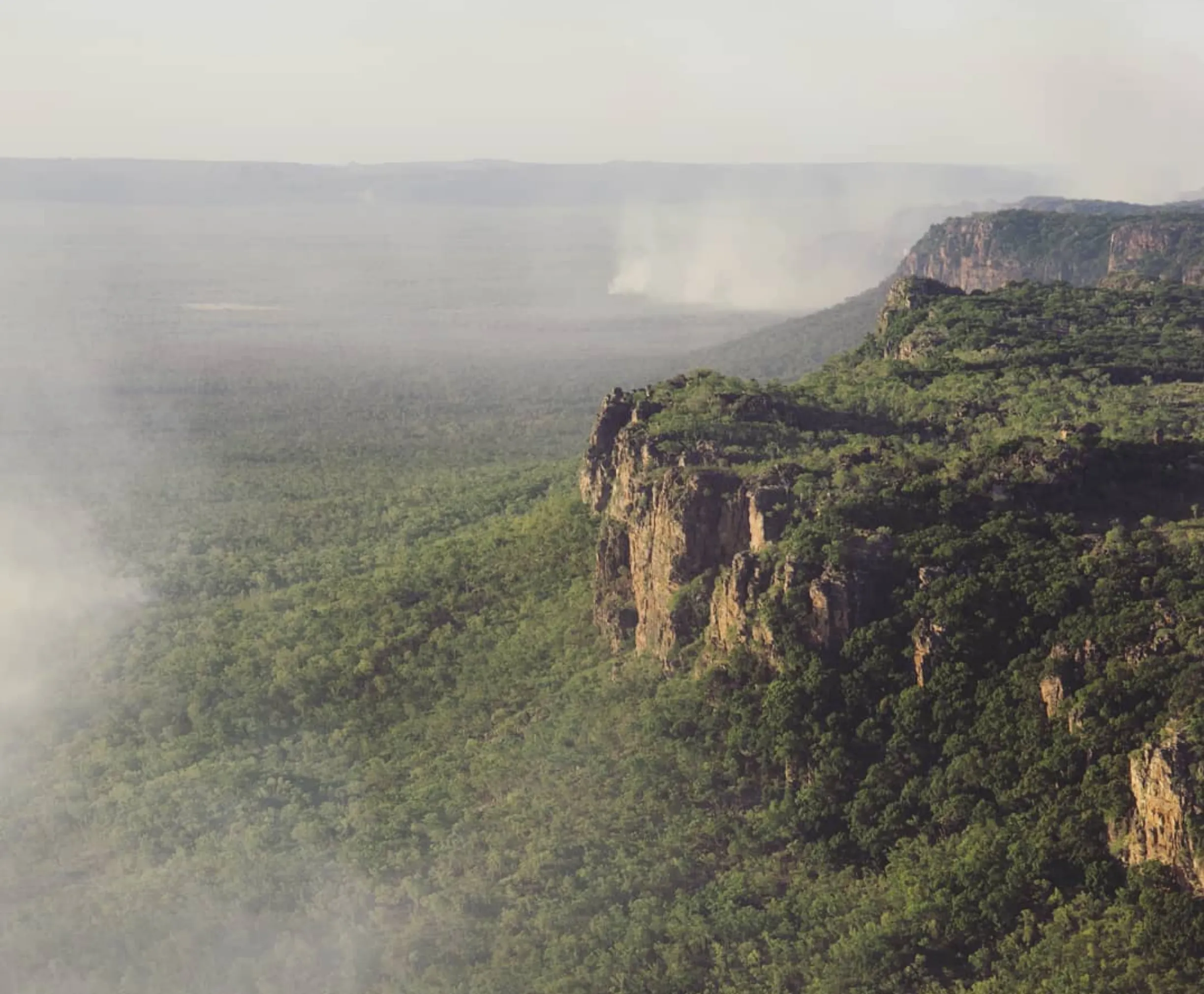
Kakadu National Park, a UNESCO World Heritage site in the Northern Territory, is famous for its old land, stunning views and deep Aboriginal culture. But for modern travellers venturing into this remote expanse of stone country and Murumburr Country, one big question arises: Is there phone service at Kakadu?
Whether you’re heading to Jim Jim Falls, cruising through Yellow Water Billabong or exploring old rock art near Ikoymarrawa Rock Hole, understanding mobile phone coverage is key. In this guide, we’ll look at phone reception realities in Kakadu, safety tips and how to stay connected – or not.
Contents
Mobile Phone Coverage
No Service in Remote Areas
The mobile phone network in Kakadu National Park is non-existent in wilderness areas like Twin Falls, Gunlom Falls, Kubara Rock Pools, Boulder Creek and especially during the wet season when dirt roads and access roads are closed due to heavy rain.
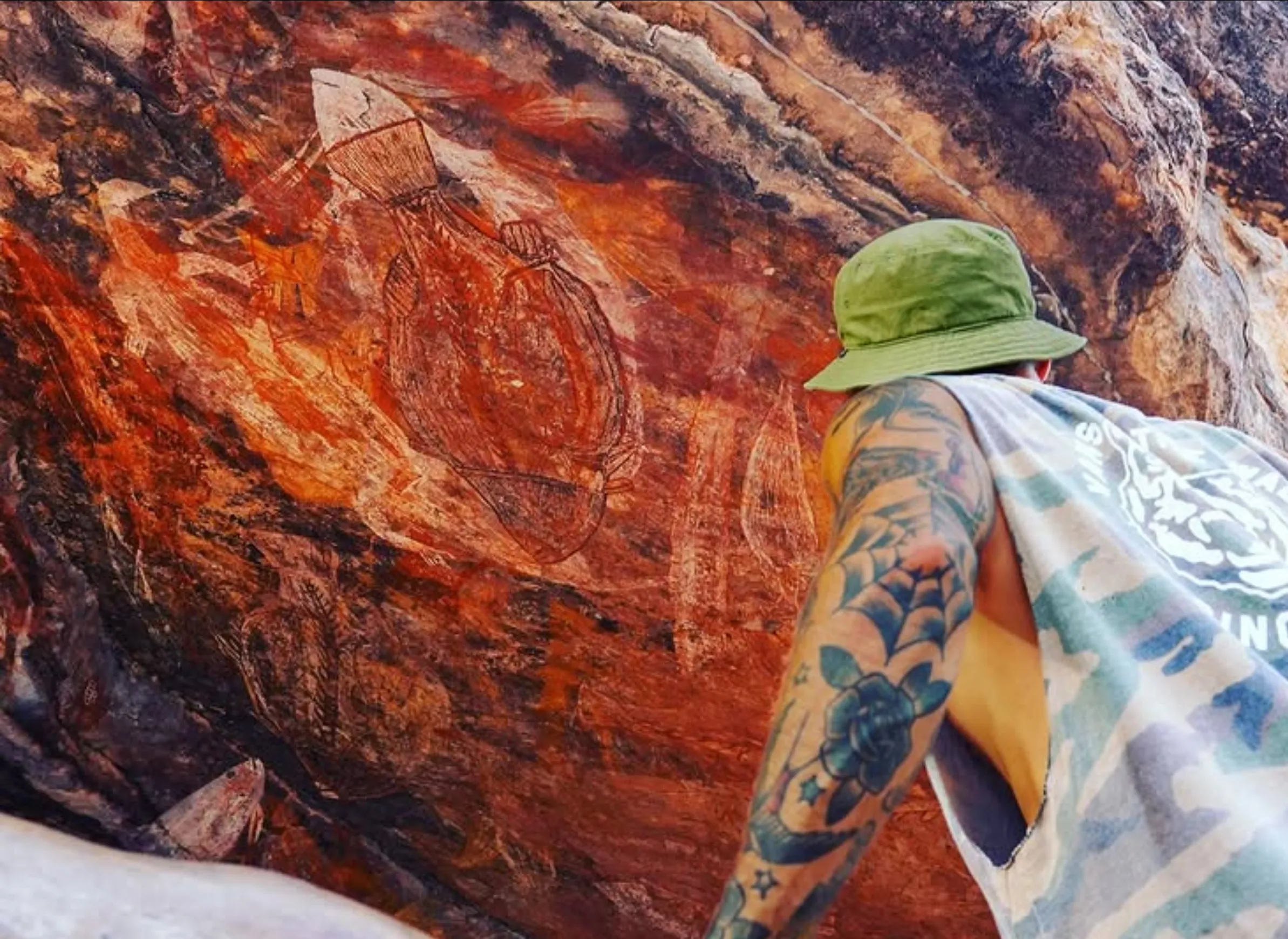
This is because there are no mobile base stations across large parts of the Aboriginal land, and the park’s priority is to protect its living culture and natural landscape. If you’re on one of the 5 day Kakadu tours, it’s especially important to plan for long periods without mobile phone signal.
2. Coverage in Developed Areas
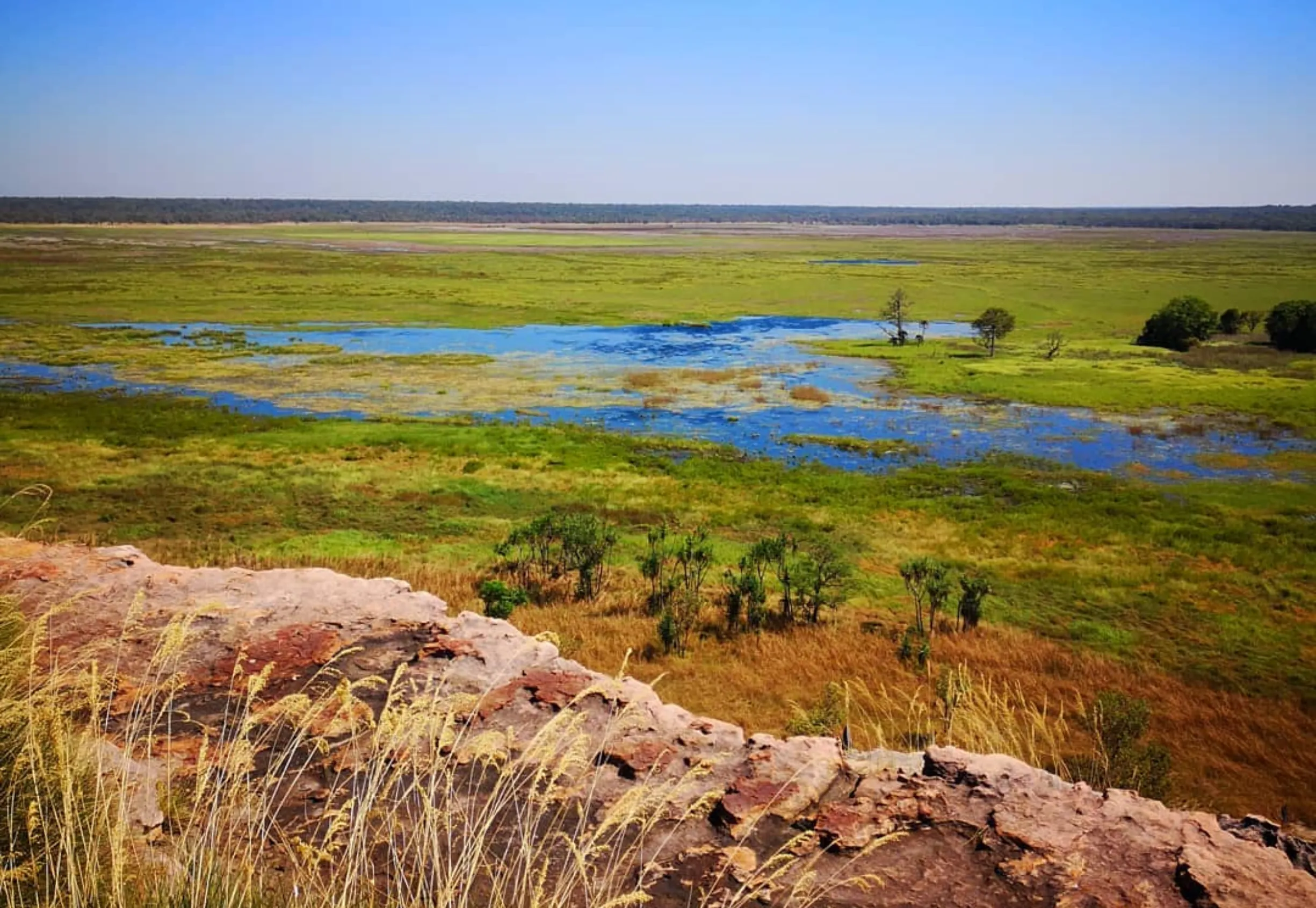
You’ll get intermittent mobile phone service in developed areas:
- Jabiru – some Telstra mobile coverage
- Cooinda Lodge Kakadu and Yellow Water Villas – limited phone reception and internet access
- Mercure Kakadu Crocodile Hotel – occasional signal and Wi-Fi access
- Bowali Visitor Centre – some mobile phone signal, but often weak
These areas are a good base to explore Kakadu and plan trips with operators like Kakadu Day Tours from Darwin, who will brief you on safety and communication limitations before you depart.
Tips for Staying Connected
1. Download Maps and Itineraries in Advance
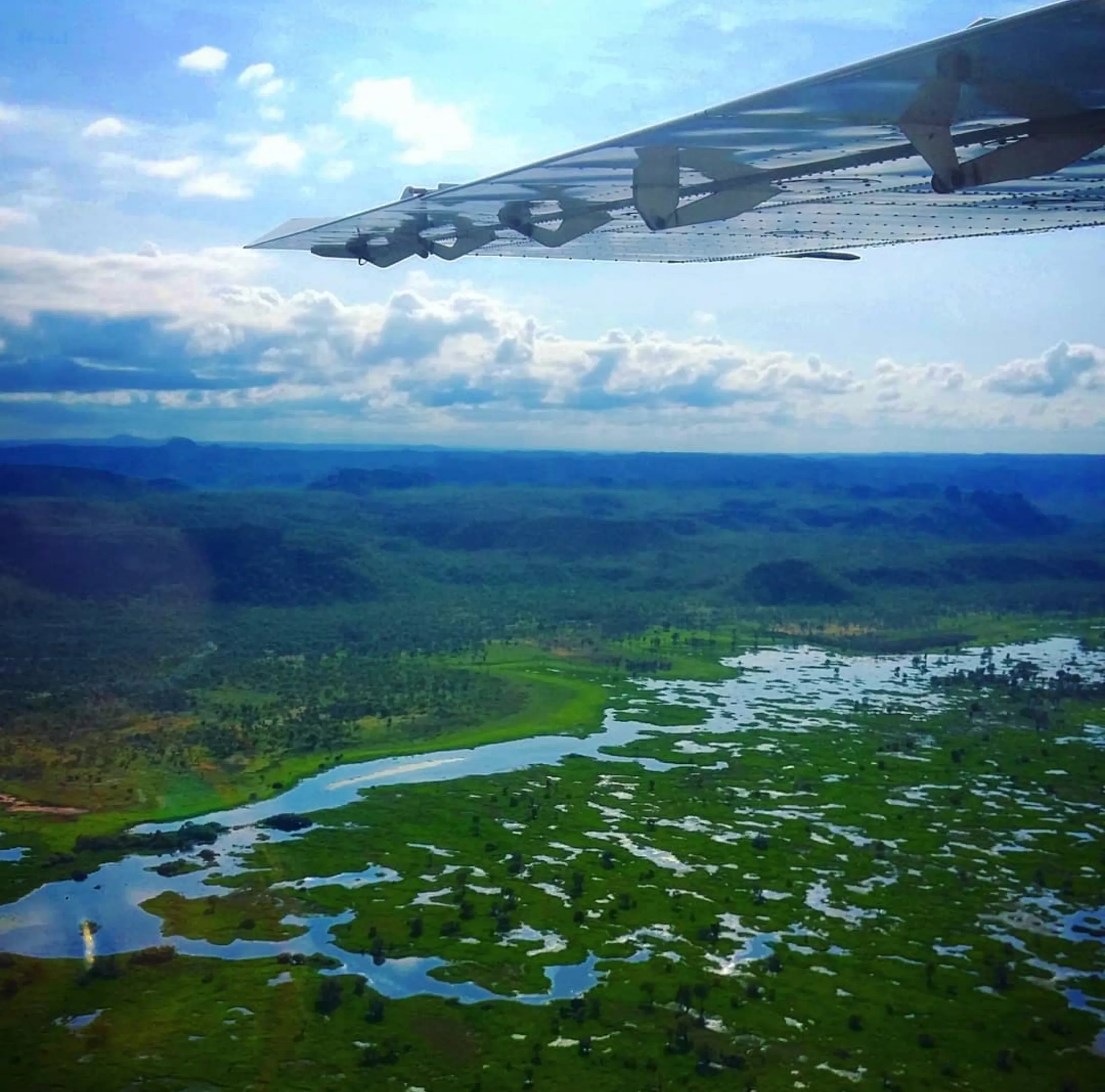
Due to patchy service and the likelihood of losing signal once you’re on Jim Jim Road or heading out to Magpie goose nesting areas or creek mouths, it’s best to download maps, itineraries and your Access & Road Conditions Report in advance. If you’re joining a 2 day Kakadu tour, downloading tour schedules, emergency details and maps before leaving Darwin is a good idea.
2. Carry a Satellite Phone or Personal Locator Beacon
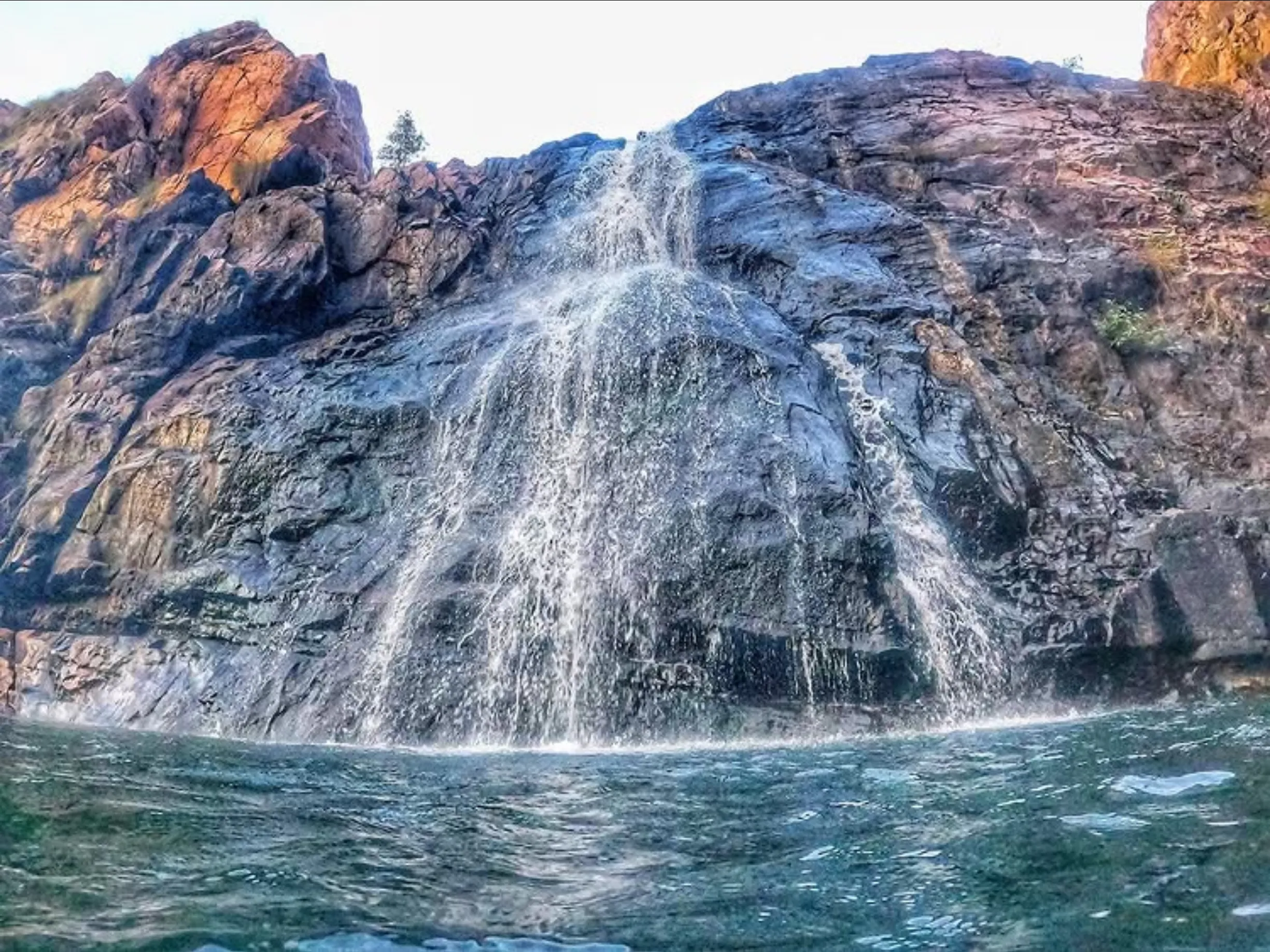
For remote locations like Gunlom Falls, Twin Falls and rock-art sites tucked away in geological history, it’s a good idea to carry a satellite phone or personal locator beacon (PLB). These are a backup in case of emergency and will keep visitors safe even in areas with no mobile phone signal.
3. Tell Someone Your Travel Plans
Whether you’re camping with a portable camping shower, staying at powered sites or visiting cultural sites, always let someone know your departure time, expected route and return time. This is important as there’s a lot of wildlife and isolated areas where mobile phones won’t work. Even Kakadu tour operators will ask for your emergency contact details before you head out on a remote adventure.
Emergency and Safety Info
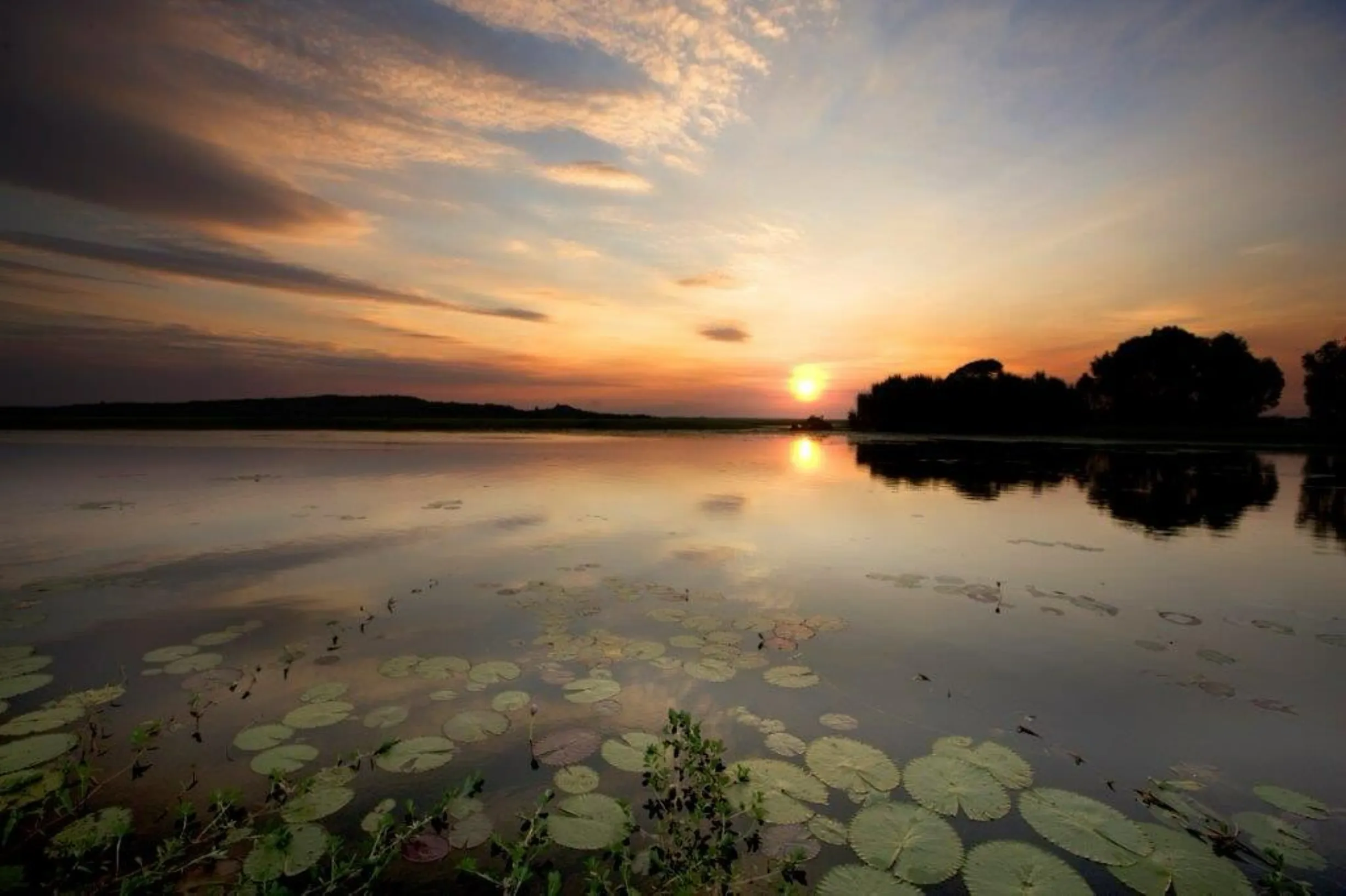
Despite limited coverage, Kakadu is well managed. Emergency services work with park ranger,s especially during peak season in the dry season. Public phones are available at Jabiru, Mercure Crocodile Hotel and Cooinda Lodge. Water Safety signs around plunge pools, shower head installations at tourist facilities and visitor alerts are all part of Kakadu’s ongoing efforts to protect visitors and the park’s history.
Enjoy Kakadu the Offline Way
Kakadu is not just a destination—it’s an invitation to disconnect and see Australia’s national parks through a different lens. Embrace the silence, the birdsong, and the stories etched into ancient rock. With operators like Kakadu Air, you can see wetlands full of famous barramundi and wildlife in water mark zones that shift with the seasons.
If you want to immerse yourself, taking a break from mobile notifications allows you to appreciate the park’s traditional artistry, indigenous culture, and outback shower under a hot water sky, without distraction.
If you’re visiting nearby destinations like Litchfield National Park, Nitmiluk Gorge, or Ayers Rock, make sure to check connection expectations beforehand. For a guided experience, Wayoutback Tours offers itineraries that help you navigate the landscapes and logistics of remote Northern Australia.
Final Thoughts
In a world online all the time, Kakadu National Park stands out. While mobile phone service is limited, your experience doesn’t have to be. A little planning, offline tools and respect for the ancient land go a long way. Whether you’re staying at Cooinda Lodge, hiking to Kubara Rock Pools or gazing out over Arnhem Land, the memories made here don’t need a signal—they need presence.
FAQ
Is there mobile phone coverage throughout Kakadu?
No, mobile phone coverage is very limited. Only Jabiru, Bowali Visitor Centre and Cooinda Lodge have some coverage via Telstra.
What mobile network works best in Kakadu National Park?
Telstra has the most coverage, but only in developed areas. Optus and other carriers have no coverage.
Can I use mobile data in Kakadu?
Mobile data is unreliable. Some lodges offer Wi-Fi, but internet speeds are slow due to the remote location and lack of infrastructure.
How do I stay safe without phone service in Kakadu?
Use satellite phones or PLBS, tell others of your plans and download maps and safety guides like the Access & Road Conditions Report before you go.
Are there places with a guaranteed phone signal in Kakadu?
There’s no guaranteed signal. However, Mercure Kakadu Crocodile Hotel, Bowali Visitor Centre, and Cooinda Lodge Kakadu may offer weak but usable connections.