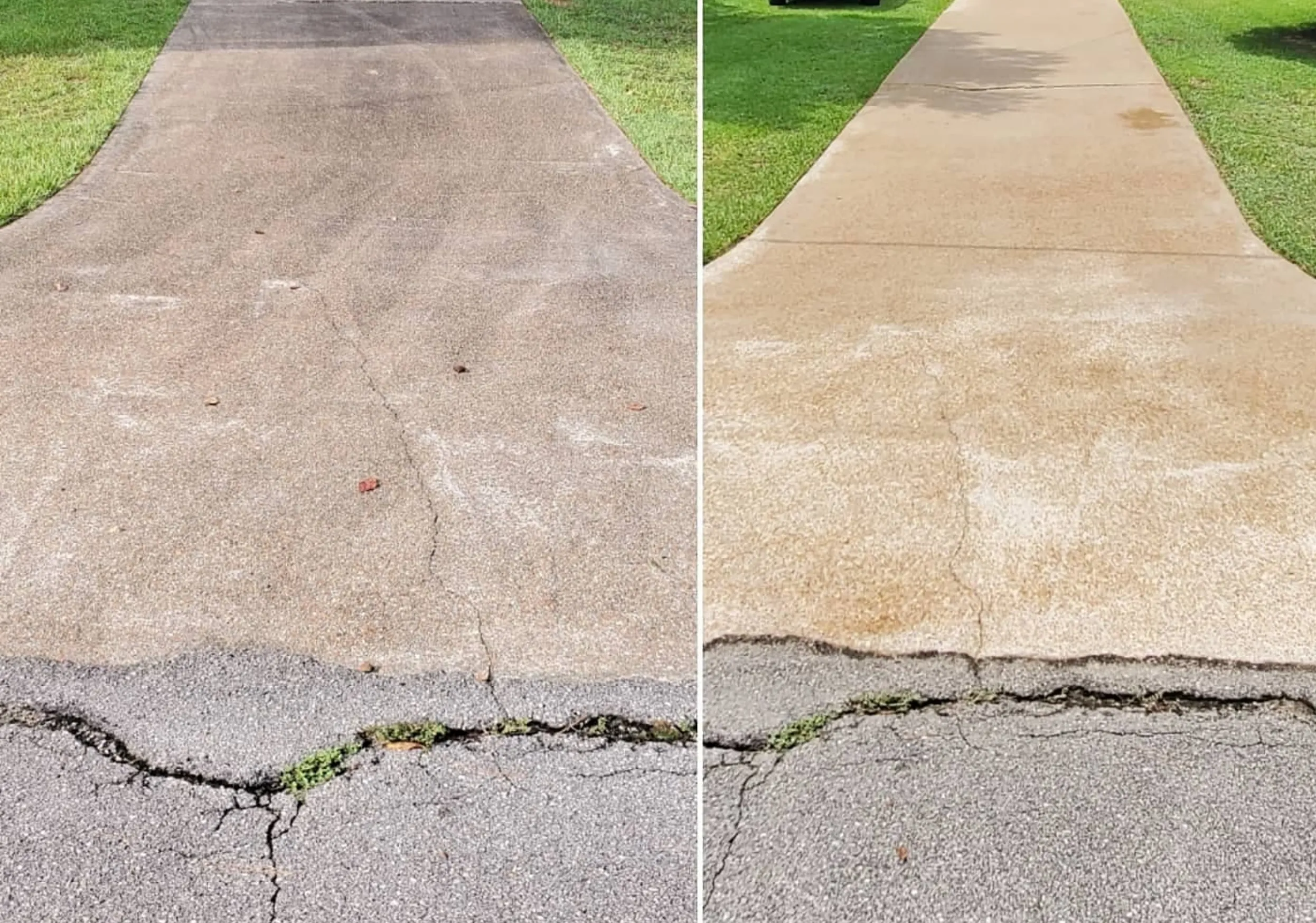
Concrete surfaces—concrete slabs, driveways, patios, sidewalks, or floors—can be durable but over time they can get worn, stained and discolored. Weather, dirt and everyday wear can make concrete look old and tired. But there are ways to restore its like new appearance. In this article we’ll explore the best ways to make concrete look brand new again, from cleaning and sealing to resurfacing and polishing.
Contents
- 0.1 1. Deep Cleaning and Power Washing
- 0.2 2. Removing Stubborn Stains
- 0.3 3. Resurfacing and Patching Cracks
- 0.4 4. Staining or Painting Concrete
- 0.5 5. Polishing for a High Gloss
- 0.6 6. Sealing for Long Lasting Protection
- 0.7 7. Proper Surface Preparation for Concrete Restoration
- 0.8 8. Best Weather Conditions for Concrete Restoration
- 1 Conclusion
- 2 FAQ
1. Deep Cleaning and Power Washing
One of the simplest and most effective way to restore concrete is through deep cleaning. Over time dirt, grime, algae and mildew accumulate on the surface and dulls its appearance.
- Pressure Washer or Power Washer: A high pressure washer can blast away years of dirt, stains and moss and instantly revitalize concrete surfaces.
- Degreasing and Scrubbing: For oil stains, grease and tough dirt use a commercial concrete cleaner or concrete driveway cleaner with a stiff brush to scrub away stubborn stains.
- Mold and Mildew Removal: A solution of bleach and water or commercial mold removers can remove mold and mildew stains from concrete.
- Cement Cleaning: Regular cement cleaning with mild detergents and a pressure washer can prevent dirt buildup and keep it fresh looking.
2. Removing Stubborn Stains
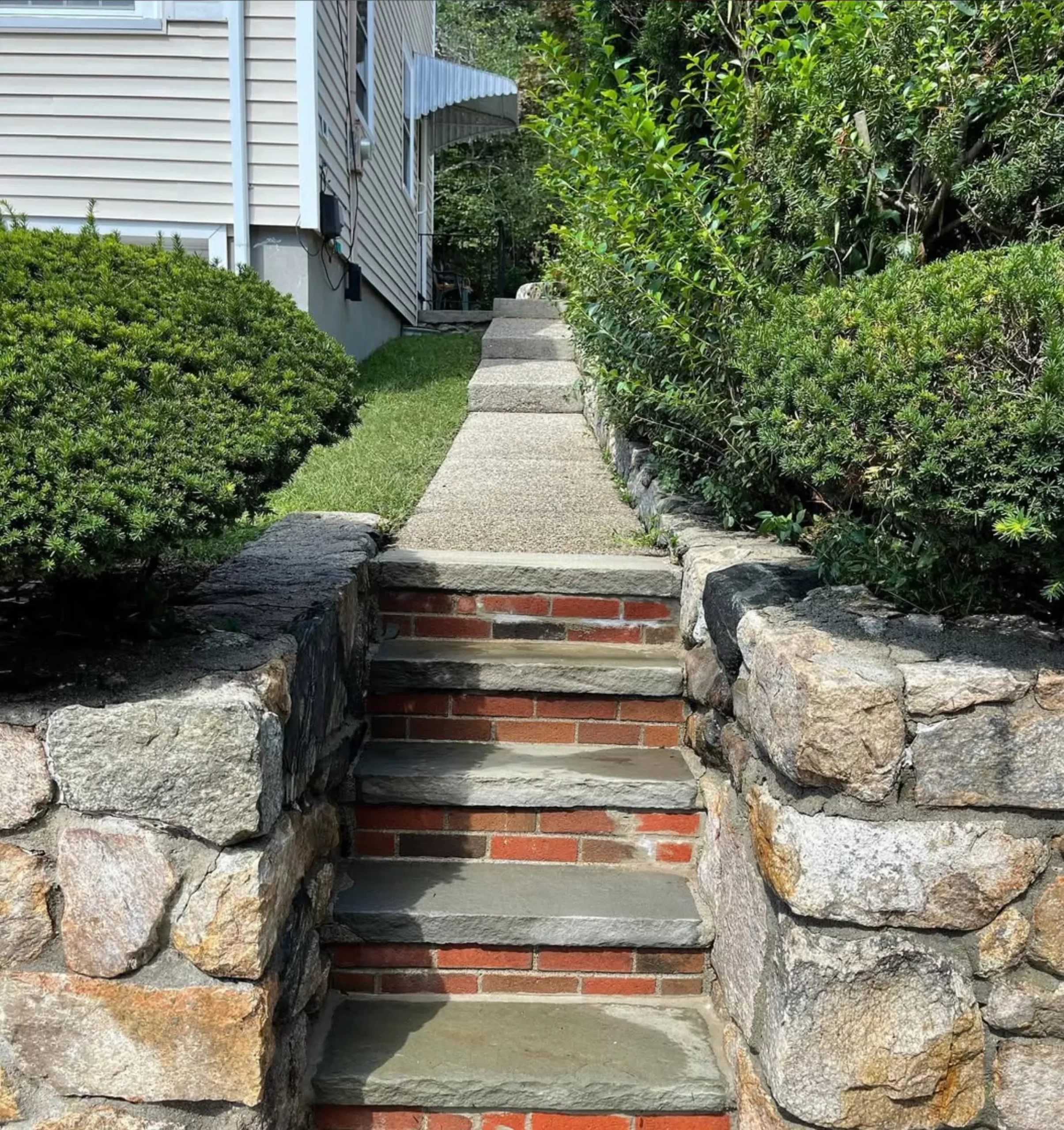
Some stains like rust, oil and tire stains require targeted treatment.
- Oil and Grease Stains: Apply a stain remover or a poultice made from baking soda or cat litter to absorb oil before scrubbing with a degreaser.
- Rust Stains: Use a rust remover or white vinegar to break down rust stains before scrubbing.
- Tire Marks: A commercial degreaser or brake cleaner can be an effective solution in lifting rubber residue from driveways.
- Blotchy Concrete: Using a concrete resurfacing product can even out discoloration and improve the overall look.
- House Washing: If concrete surfaces are part of a larger house exterior, house washing can ensure consistency in cleaning and maintain the overall appeal.
3. Resurfacing and Patching Cracks
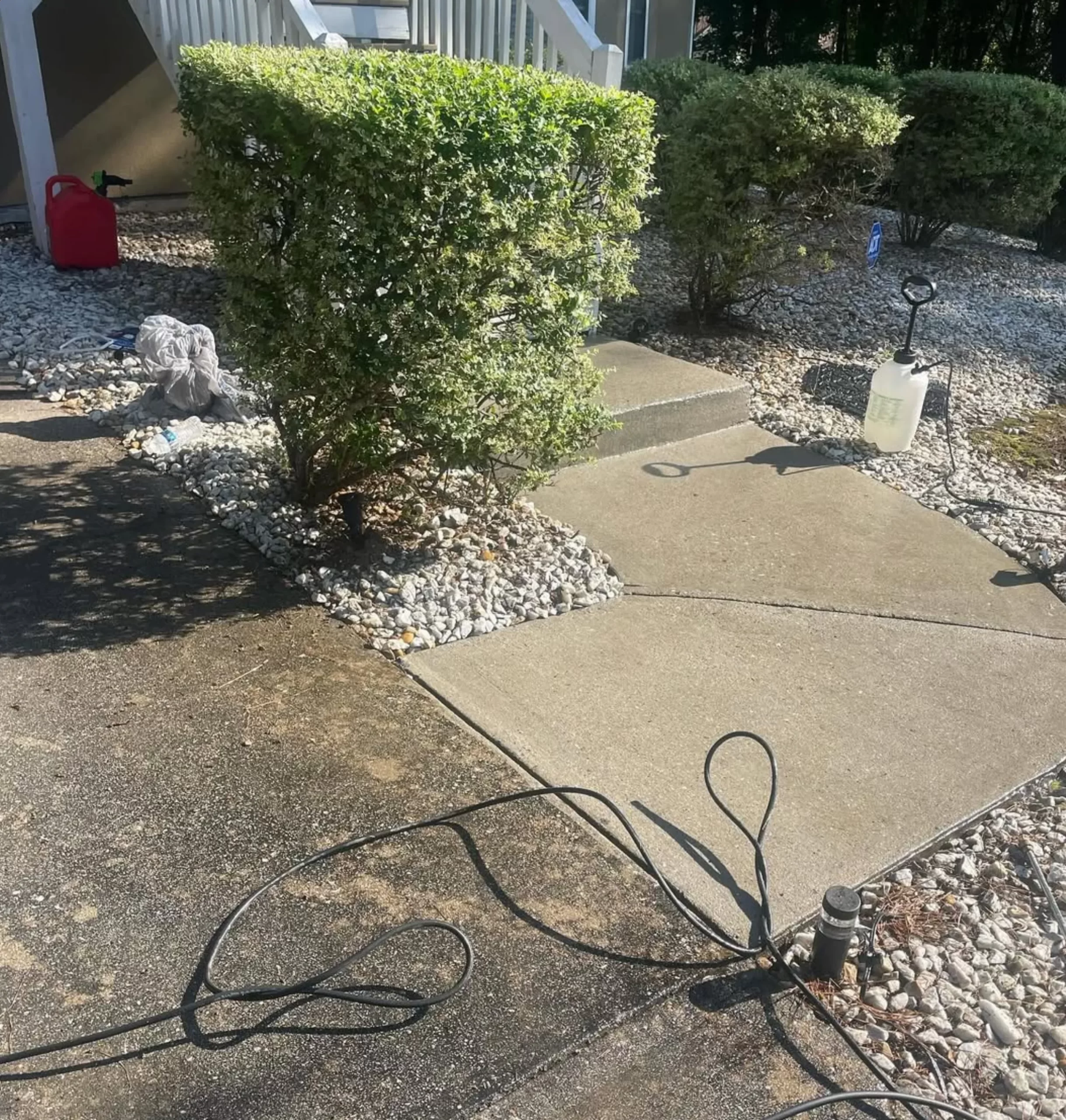
Cracks and surface deterioration can make concrete look old and worn. Resurfacing is a great way to restore its smooth finish and uniform finish.
- Filling Minor Cracks: Use a crack filler or concrete repair mortar to fill in minor cracks and prevent further damage.
- Resurfacing: Apply a thin layer of resurfacer or cementitious overlay to get a brand new slab look. Good for driveways and garage floors with heavy wear and tear.
- Decorative Overlay: For a decorative finish apply a durable overlay or micro topping.
4. Staining or Painting Concrete
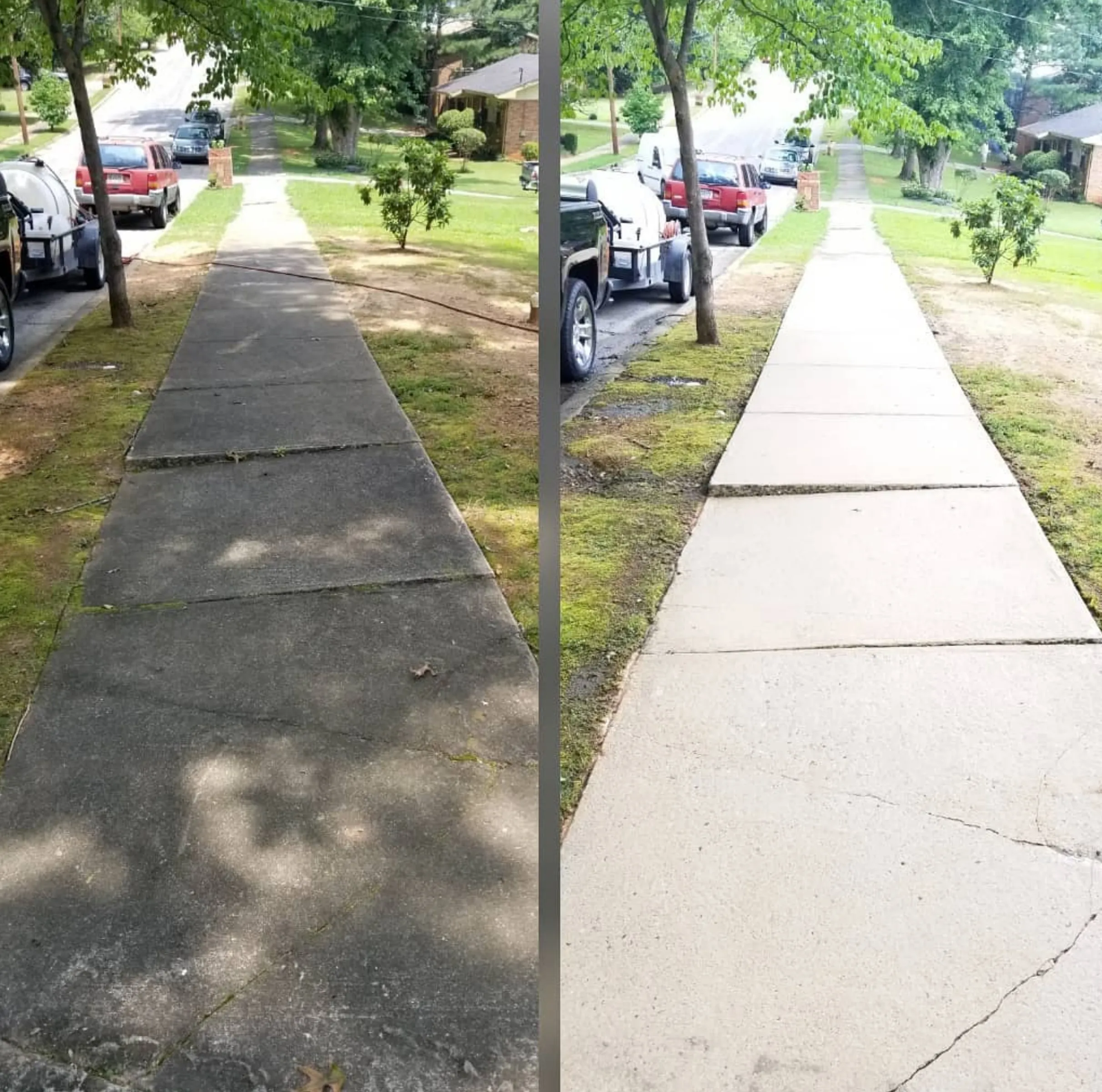
Staining or painting concrete can freshen up its look and add style.
- Concrete Stains: Acid or water-based stains penetrate the concrete to create a natural long lasting colour, including 9 colours semi-opaque penetrating stain.
- Concrete Floor Paint: Special concrete floor renewal paints provide a uniform opaque finish and protects against further damage.
- Decorative Concrete: Antiquing stain and decorative layers can be added to make it look great.
5. Polishing for a High Gloss
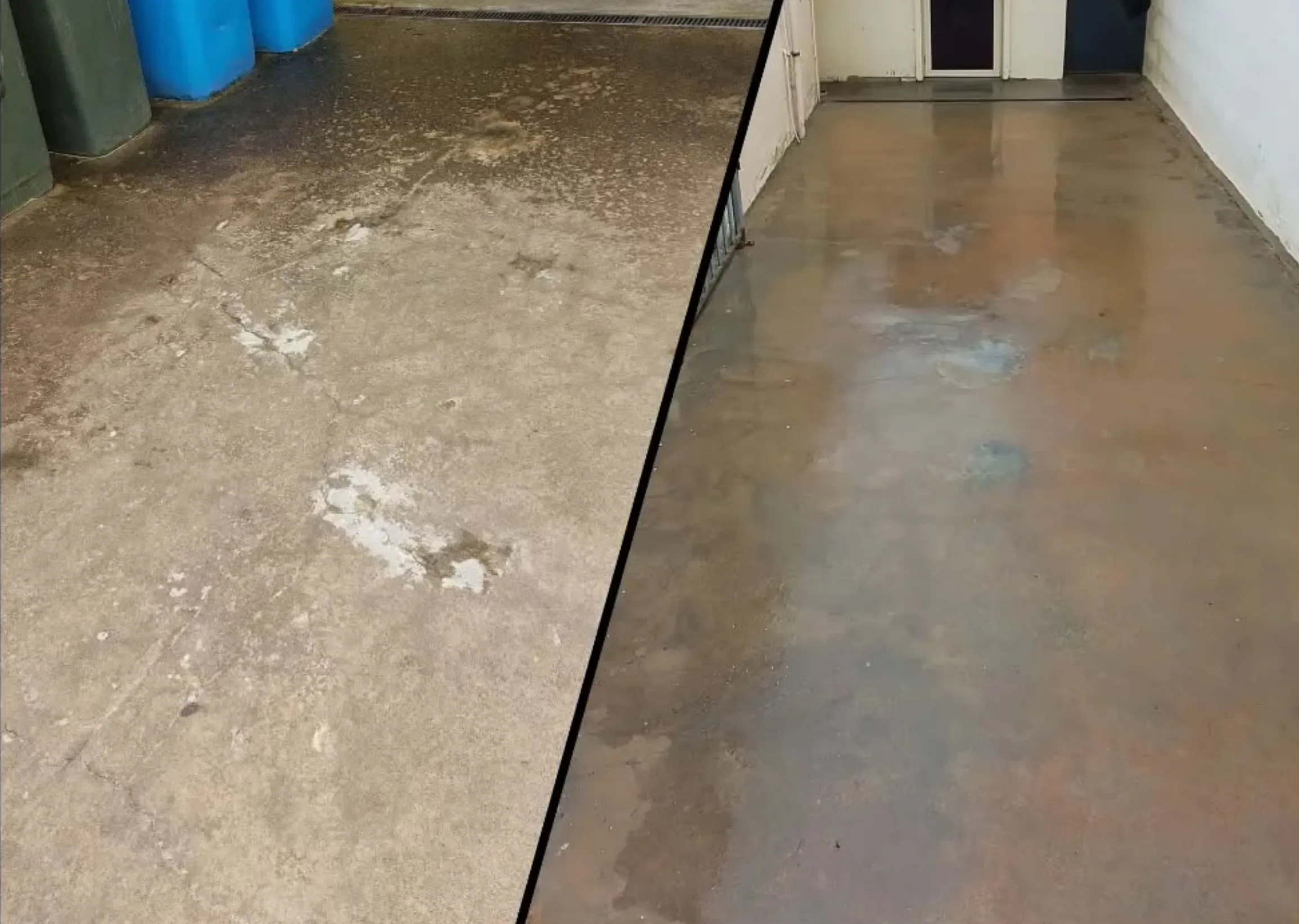
For indoor concrete surfaces like garages and basement floors, polishing is the way to go.
- Grinding and Polishing: Use a concrete grinder with diamond pads to smooth the surface and get a high gloss finish.
- Sealing: Acrylmeric Concrete Sealer will enhance the shine and protect against stains and wear.
6. Sealing for Long Lasting Protection
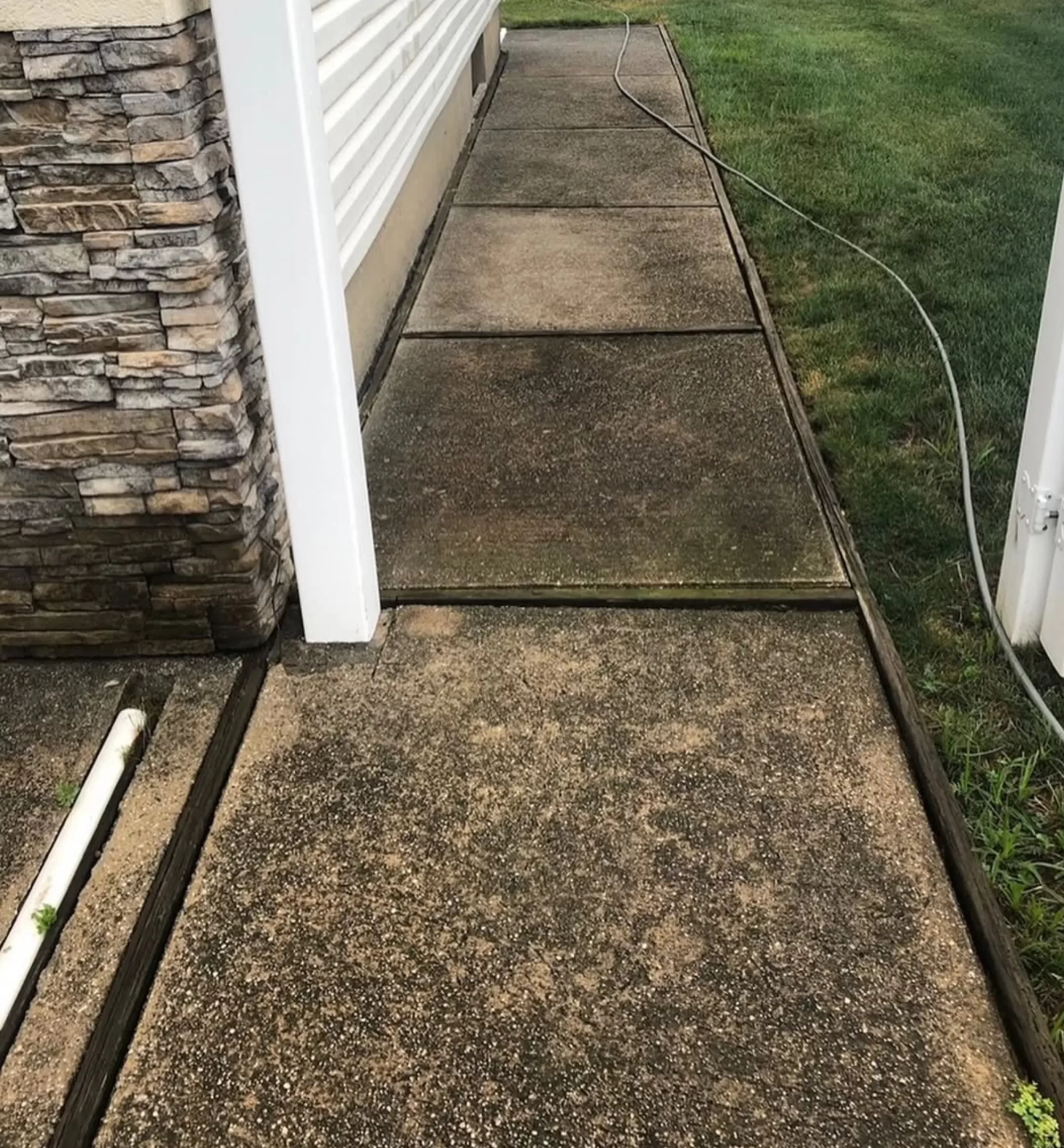
A good sealer will prevent staining, cracking and weather damage.
- Penetrating Sealers: These absorb into the concrete and protect from within, prevents the concrete from discolouration.
- Acrylic Based Layers: Provides a glossy finish and great for decorative concrete.
- Epoxy Coatings: Best for garages, epoxy coatings provides a durable, glossy and stain resistant surface.
7. Proper Surface Preparation for Concrete Restoration
Before any restoration work, proper surface preparation is key for a consistent surface and long lasting results.
- Remove Loose Debris: Sweep and clear the surface before applying a new finish.
- Correct Surface Preparation: Use a pressure washer to remove dirt and minor damages before resurfacing.
- Control Joints: Make sure these are maintained to prevent concrete damage caused by soil movement and weather conditions.
- Outdoor Pressure Cleaning: For patios, driveways and walkways, outdoor pressure cleaning is the way to go to remove dirt, stains and debris before sealing or resurfacing.
8. Best Weather Conditions for Concrete Restoration
Concrete resurfacing requires ideal conditions for the concrete to set properly.
- Cold Weather: Avoid working in cold or night time conditions as drying time is longer.
- Hot and Humid Conditions: In Australian conditions, resurfacing should be done early morning or late afternoon to prevent the concrete from looking blotchy.
Conclusion
Making old concrete look new again is possible with the right techniques whether through deep cleaning, resurfacing, staining or sealing. Regular cleaning, proper preparation and application of coatings will keep your concrete looking fresh and extend its life. With these expert tips you can restore your concrete surfaces whether it’s a concrete driveway, concrete steps, Pool Decks or garage floor to its original beauty and boost your home or business appeal. For best results consult a concrete expert or look for concrete cleaning services at hardware stores for specialized products.
FAQ
How often should I clean concrete to maintain its appearance?
Clean your concrete at least once or twice a year to prevent dirt buildup and staining. Use a pressure washer or concrete cleaner to keep surfaces looking fresh.
Can I resurface concrete myself or should I hire a professional?
DIY resurfacing is possible with the right tools and materials but for large or damaged areas hire a professional for a smooth finish.
How do I remove oil stains from concrete?
Apply a degreaser, baking soda or cat litter to absorb the oil then scrub with a stiff brush and stain remover.
How long does a concrete sealer last?
Most concrete sealers last 2 to 5 years depending on the type of sealer and amount of foot traffic and weather exposure.
What’s the best temperature to apply concrete resurfacing products?
Apply resurfacing products between 50-80°F (10-27°C) avoid extreme cold or heat.